
Here’s a toast…to toast!
Toast is one of the most versatile food bases: you can pile it high with countless ingredient combos for almost any occasion, from a simple breakfast to your next dinner party appetizer. Your next toast could be a nutritious and balanced meal or a show-stopping dessert. Whether you’re looking to get in some extra veggies, looking for a midnight snack, or just really don’t want to cook a big dinner tonight, toast can do it all.
This site is the result of a lifelong love of putting things on toast. It’s a collection of toast recipes that can be scaled up and down in complexity, according to your time limit, how much money you want to spend, and the occasion (although you never need an excuse to eat toast). Oh and every recipe here is gluten free!
The Put it On Toast Principles
To make the task of navigating tons of recipes less crumb-y, each toast on this site is categorized according to…
Recipe Complexity
It’s never fun to happen upon an exciting new recipe that seems simple enough but ends up being super difficult and takes you 90 minutes longer than you were expecting. So, every recipe has a complexity rating out of 10 based on the number of steps, their difficulty, and how much time the components take to put together.
Budget
Food prices are increasing, and it’s important to know what you’re getting into so that you toast your bread and not your bank account. Each recipe includes an approximate cost per slice of toast, in Canadian dollars (and based on average grocery prices in Canada). There are also money saving tips to help you reduce the cost of ingredients.
Occasion
The toast you make for yourself at 11pm because you’re craving cheese and carbs is probably going to be different from the toast you serve to your guests at your next dinner party (or maybe not, no judgement here). Each recipe includes recommendations for occasions at which it would be fun to consume that specific toast (but of course, toast is for everyone all the time).
Never miss a toast!
Subscribe to Put It On Toast! Become a Toastie (toast + bestie) by entering your email below and be the first to know about new toasts.
Every toast can be scaled up or down according to your needs
Ingredient swaps
If one or more of the ingredients for the toast’s topping is particularly expensive, there will be suggestions for more budget-friendly alternatives.
Simplified steps
Highly technical recipes for certain toppings will include simplified approaches to help you reduce your cooking time and to keep those toasts accessible regardless of your kitchen equipment.
Additional garnishes or complementary toppings
Want even more out of your toast? Each recipe include suggestions for additional garnishes or toppings that are intended to help you dress it up even more. There’s no reason why toast can’t be pretty.
Changing the base
If you don’t have bread on hand, you can swap out the base for something toast-adjacent! (think: tortillas, polenta, potato pancakes, flatbreads, crostinis, etc.) Suggestions for swaps are at the bottom of each recipe.
All the bread used in this collection gluten free, with zero compromises on taste or texture. But the base could, of course, be done with whatever kind of bread you like. My personal favourite brand of gluten free bread is made by Promise Gluten Free. For more on gluten free bread, visit the Let’s Get This Bread page.
Combining multiple recipes
Each recipe suggests other toasts that would go well with the one you’re reading, whether you’re looking to make multiple toasts or combine two complementary flavour profiles into a single toast.
All about
the toast

The humble slice of toasted bread is a simple pleasure and a staple in many households. Crunchy and golden on the outside—thanks to the Maillard reaction—and fluffy on the inside, countries across the world have developed their own varieties of toast. But toast as we know it today has come a long way over the course of history.
Originally, toast was typically paired with alcohol. The earliest known use of toast in this way dates back to the Roman Empire: when the wine served to guests was too acidic, people would add chunks of burnt toast to their glasses to try and even out the flavour. This appeared to kick off a wonderful, 1600+ year relationship between toasted bread and booze, continuing at least into the 17th Century. In medieval times, toast was used specifically for the purpose of flavouring alcohol (wine, beer, mead, ale, etc.) and looked seriously different than modern toast. Back then, it was much thicker, denser, and baked to be much harder throughout (no fluffy centre), like larger and thicker melba toasts. Plus, after it made their booze sufficiently flavourful, it was usually discarded. Apparently, toast was also used to warm drinks. Another medieval use of toast was as a plate: it would soak up the juices of whatever meal you were eating and then was often discarded.
It’s estimated that people started actually eating toast—instead of soaking it in booze and discarding it—sometime around the 1700s. But toasting bread at that time was pretty inconvenient. The earliest mesh grill toasters (think: making toast while you’re camping by enclosing it in a cage and holding each side over a campfire for a while) weren’t made out of a fire-proof alloy and would melt if held over the heat for too long. Advances in technology led to toasters that wouldn’t melt over the fire, could flip the toast on their own, and finally to the electric toaster that we know and love today.
Latest Recipes
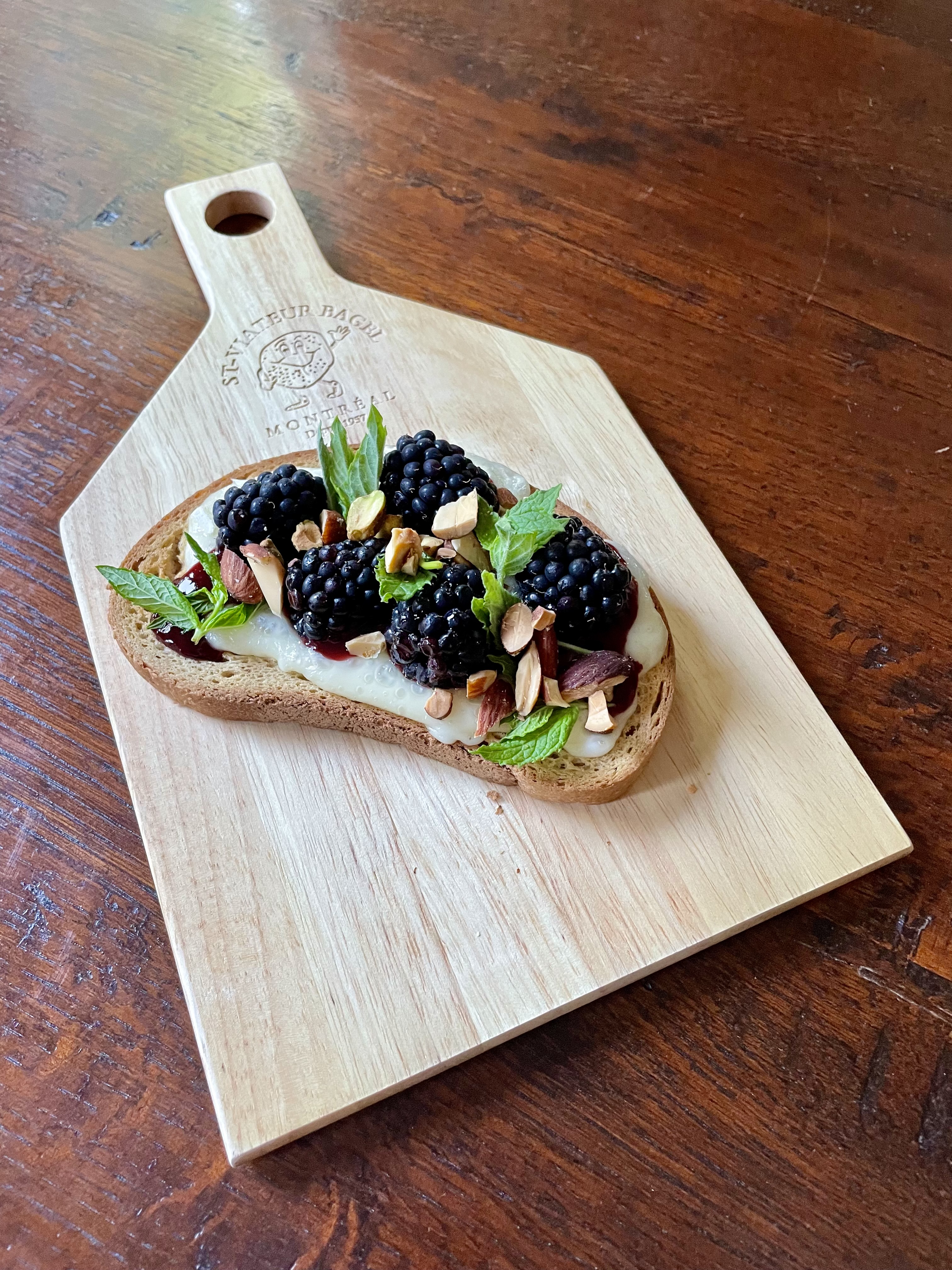
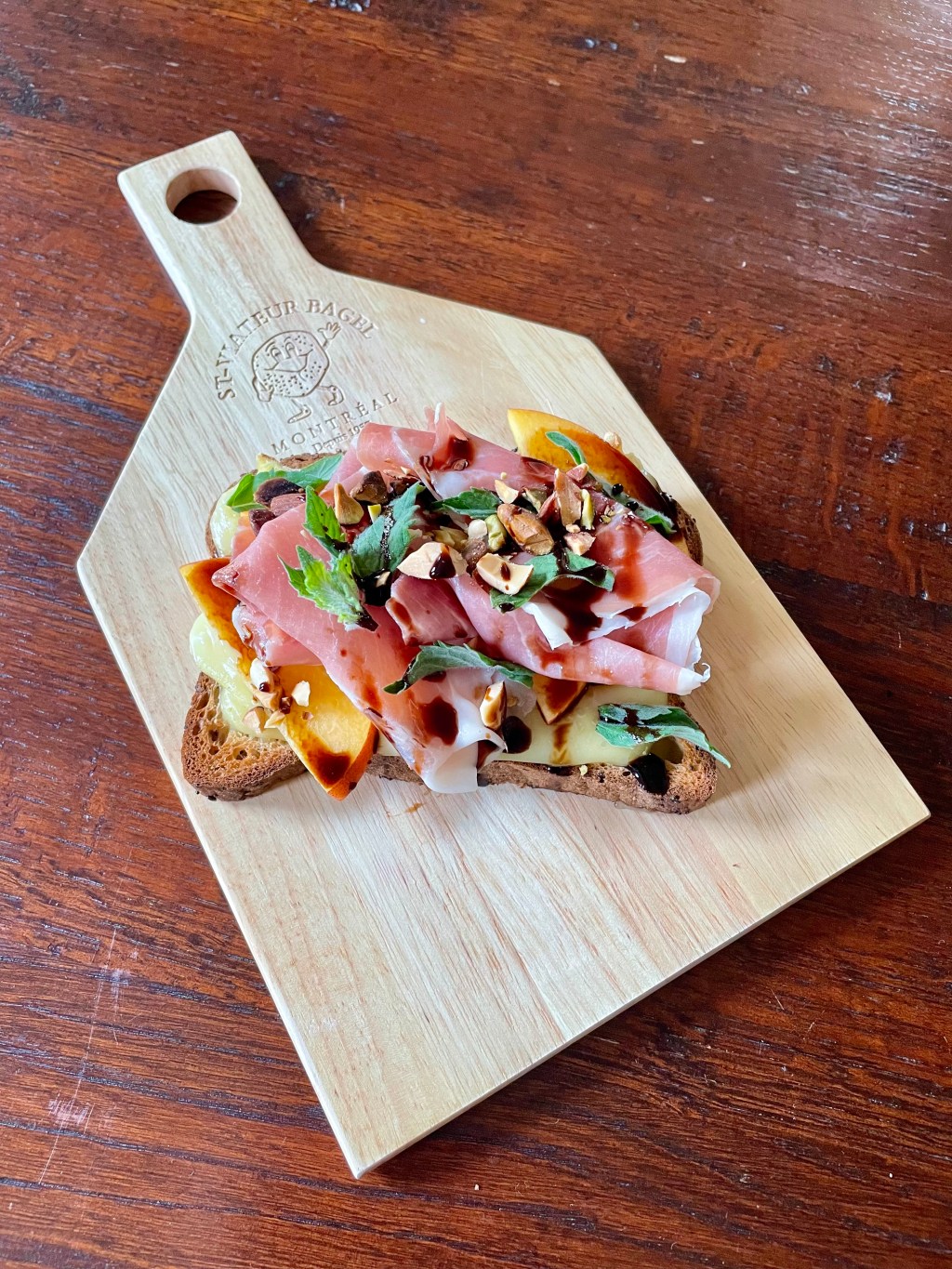
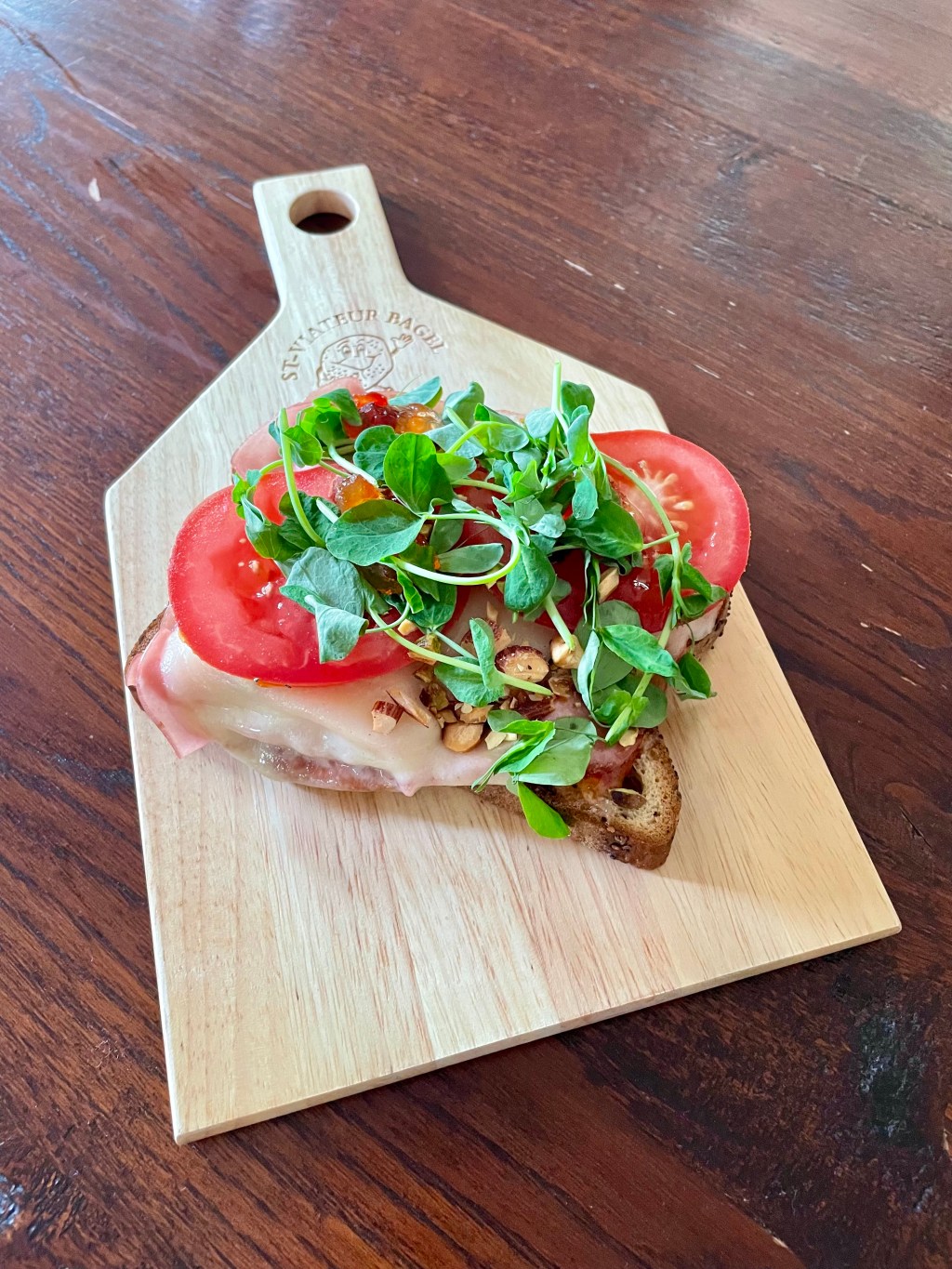
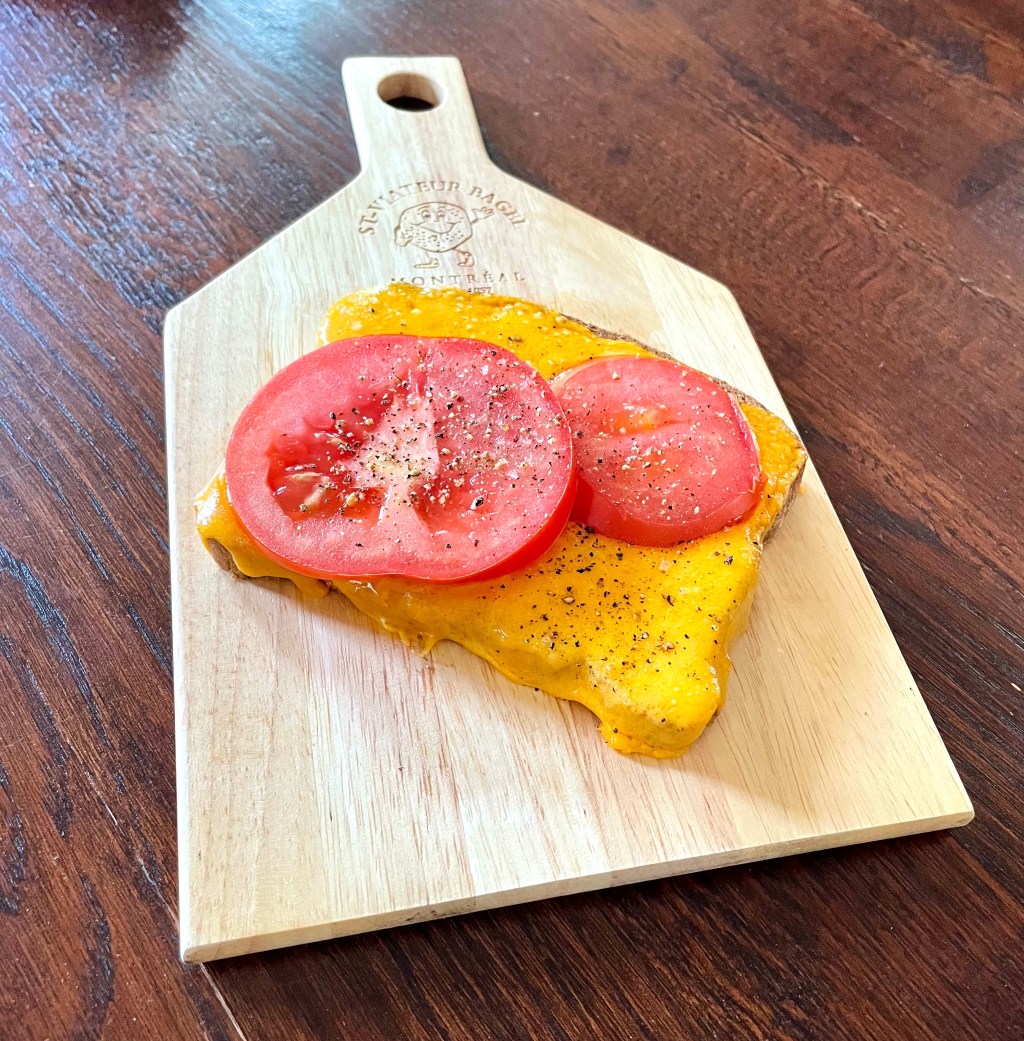
In crust we trust! Check out some of the latest toasts:

Gallery
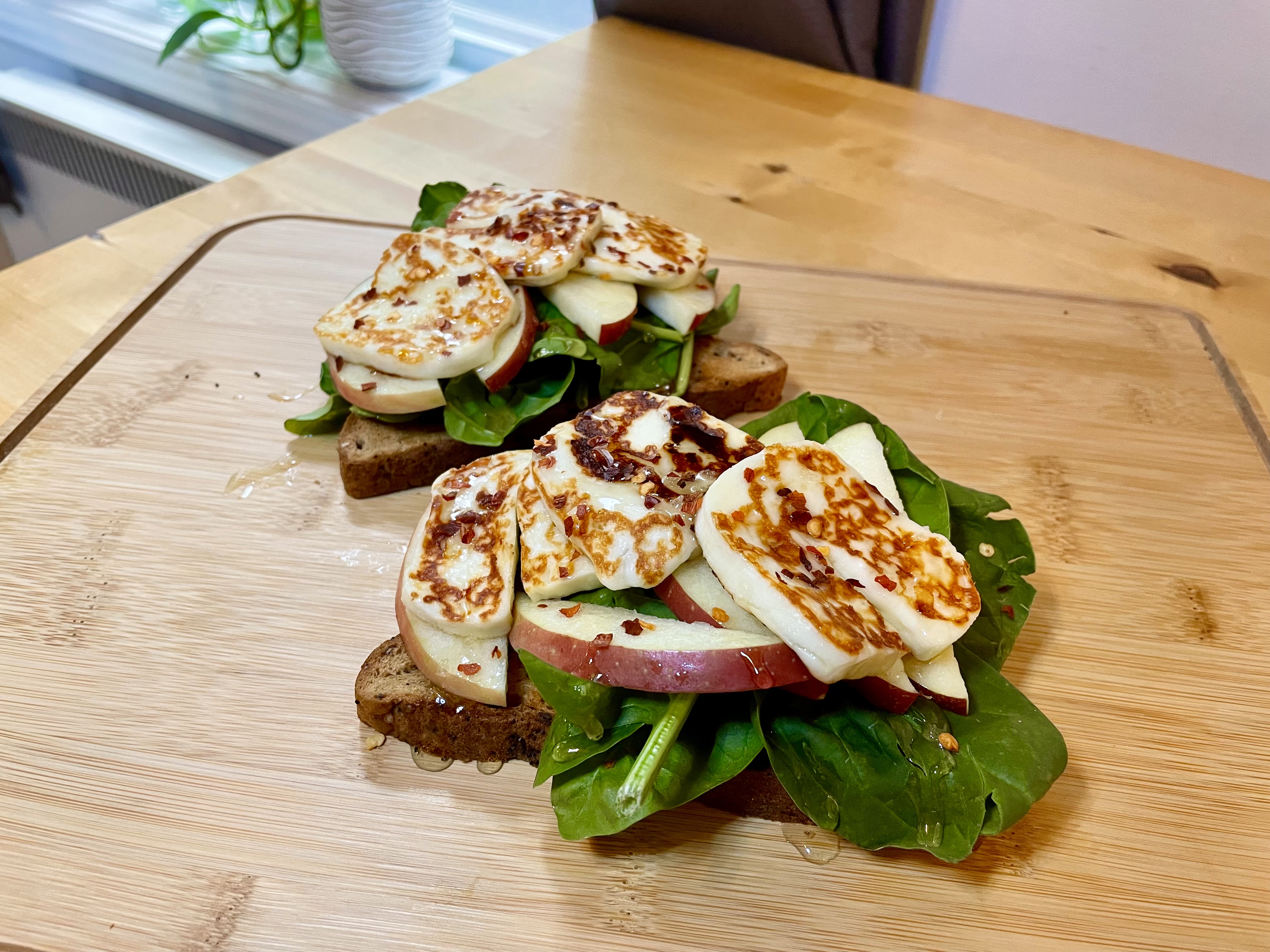
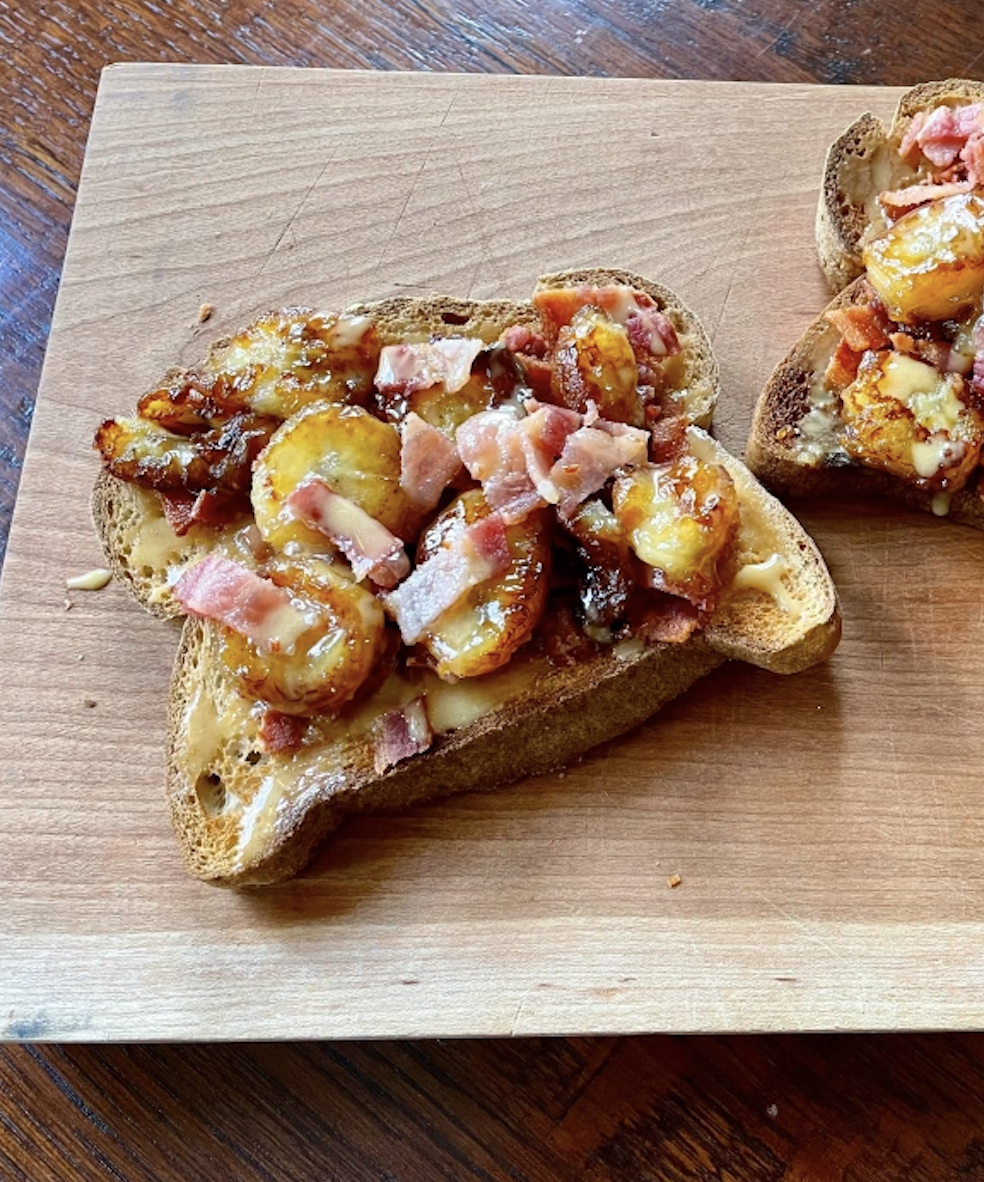
Look how beautiful all this toast is:


 Put it on Toast!